

Intrastat XML fields explained before submission

Intrastat.ai Editorial Team
The logical structure of an Intrastat XML file
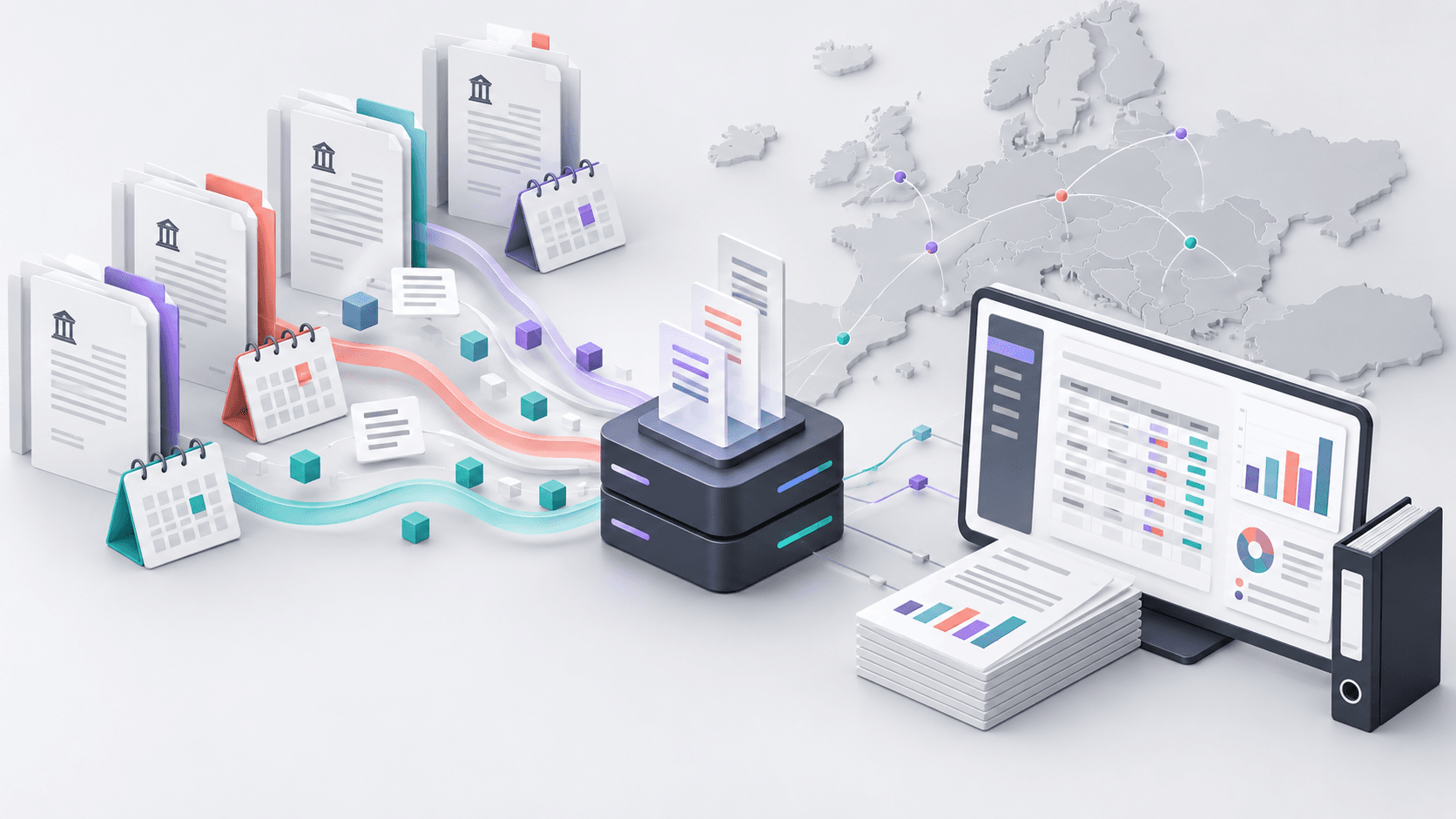
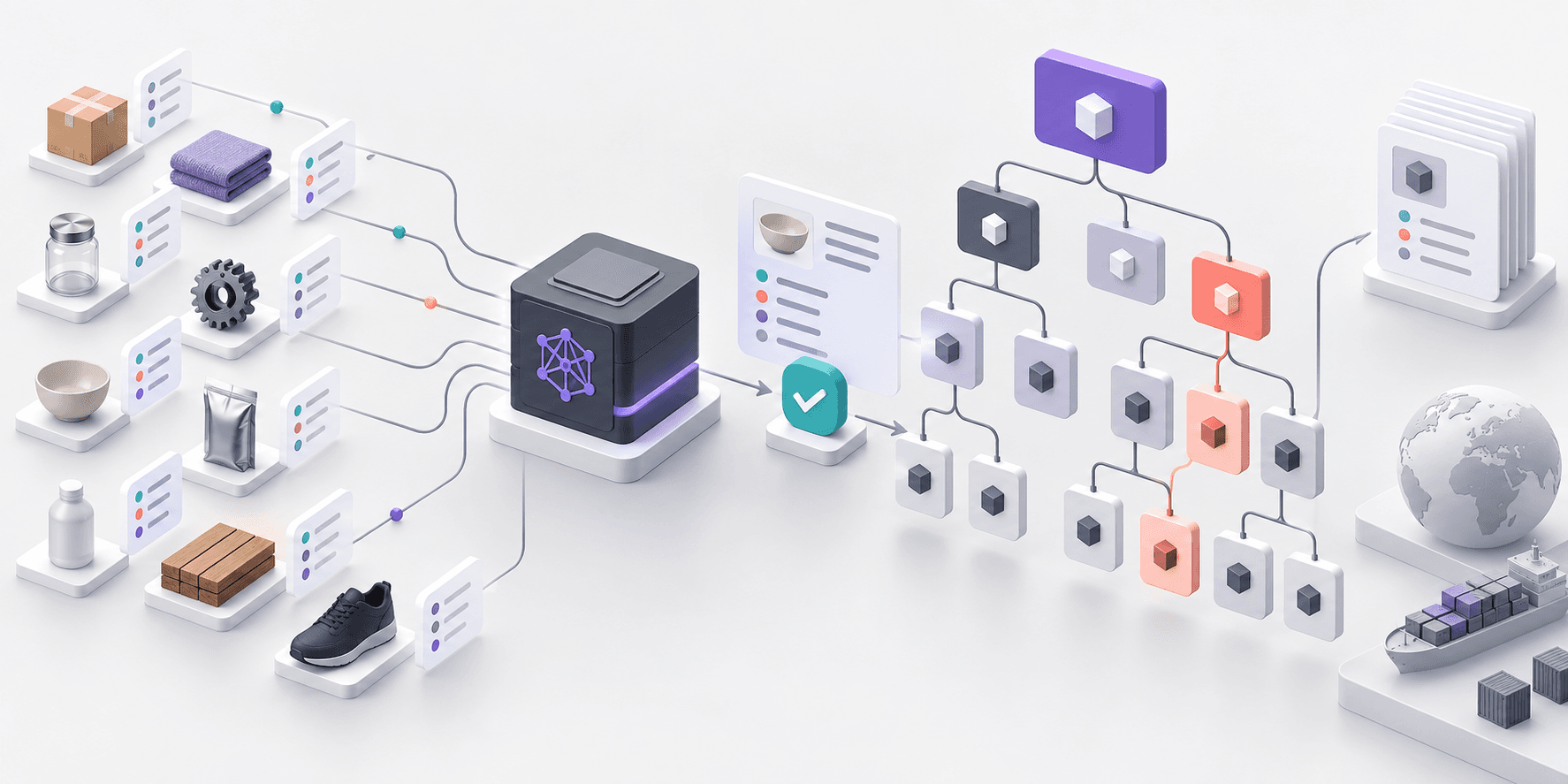
An Intrastat XML file packages declaration information in a machine-readable hierarchy. Exact element names and mandatory fields vary by national authority, but most schemas separate declaration-level information from individual goods movements.
The declaration header commonly identifies the reporting period, declarant, reference, reporting flow, and responsible party. Each transaction line then describes one movement using classification, partner, quantity, value, and transport information.
Common transaction fields
Typical line-level information includes:
- The 8-digit commodity code and goods description
- Partner country and, where required, country of origin
- Nature of transaction and mode of transport
- Net mass and any required supplementary unit
- Invoice value and statistical value
- Partner VAT identification where nationally required
Some fields are conditional. A supplementary quantity, region code, delivery term, or partner identifier may be required only for particular countries, flows, commodity codes, or transaction types.
Validation before file generation
A technically valid XML file can still contain incorrect declaration data. Good validation therefore happens at two levels. Schema validation checks structure, data types, allowed values, and required elements. Business validation checks whether combinations make sense, such as weight against quantity or transaction type against value.
Intrastat.ai validates and enriches source records before formatting them into the country-specific XML structure. Errors remain connected to the original transaction, making corrections easier than troubleshooting an opaque submission file.
Country-specific output matters
There is no single XML layout that can be submitted unchanged in every reporting country. Always generate against the current schema and instructions of the relevant authority, and keep the schema version associated with the reporting period for traceability.
Related articles
More practical guides for accurate, efficient, and country-ready Intrastat reporting.